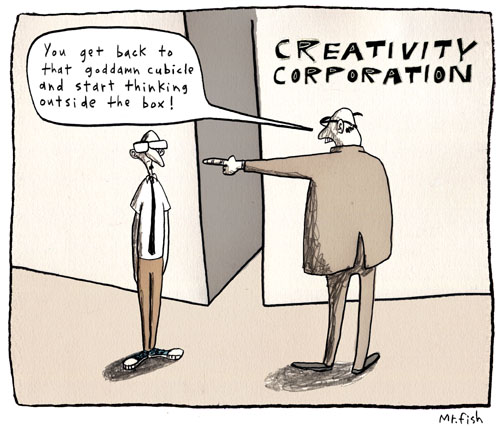
Corporate casualty: the death of corporate wardrobe

What does your outfit say about you?

When uttering the words “work wardrobe” chills runs down my spine. There is no denying in the PR world the way you dress reflects the image of your agency and the style of clients you attract. Seldom would you come across any PR or advertising agency with a uniform so there is a certain amount of trust in staff to ensure they are reflecting the right image when it comes to dressing for work.

First impressions count and whether we like it or not it starts with how we look. It is a sad and shallow truth but when you work in a creative industry like PR these factors may not be a decision maker but they certainly weigh in when it comes to hiring.

Once upon a time corporate dressing meant a suit and business shirt for both men and women but the term ‘ corporate dress’ has been left to individual interpretation and there has certainly been a dress down movement happening in the work place. Casualisation of the corporate world is taking over, but is this a bad thing?

Casual dress Fridays are now the expectation in the Australian workplace. A survey conducted by TMP worldwide shows that 51.3% of males and 60% of female’s value being able to ditch corporate get up on Fridays; this was even more popular among respondents from the 18-34 age brackets. Clearly, we like to keep it casual so why is it still not widely acceptable to dress down every day?

Fashion is a form of self expression and intentional or not, our sense of style does show who we are and ultimately could influence how we are perceived in the workplace. Suits and ties are few and far between in the PR industry, so where should we draw the line when it comes to casual chic? How do we maintain our identity without losing respect from others in our industry or being unfairly judged by the corporate world? It comes down to fundamentals, knowing boundaries and keeping the bra straps well and truly hidden.

Recently, we have been working with local Brisbane fashion stylist Helen Moroney who knows all too well about those fashion demons most men and women face when deciding on what to wear and most importantly how to wear it. She shares some of her top tips for getting it right:

  • Know colours and styles that are best suited to you. The power of colour is immense and can make all the difference to an outfit and how you look as colour can influence your size, complexion and the amount of attention you receive. Helen offers excellent workshops on selecting the right colours and outfits to suit your body shape. If you are looking to jazz up the work wardrobe knowing what works for you could make deciding what to wear fun (and easy) each day.
  • Accessorise. Earrings, bracelets, rings, belts, bags and shoes are as important as the pants you might be wearing. In a stricter corporate setting it can be a way for your individuality to shine through. But remember, the key to any good outfit is knowing when not to overdo it, you don’t have to wear everything you own all at once. Tie in your colour selection with a belt, clutch or shoes that blend or match.
  • Shoes should always be polished, intact and never scuffed (remember people generally look at your face first, then your feet)
  • Ladies keep the mini skirt and cleavage for Saturday night! If it would make your nana blush leave it at home!
  • Mark Wahlberg is the only man allowed to bare his knickers for a job everyone else make sure your undergarments are well and truly hidden.
  • If you’re a low maintenance kind of girl when it comes to hair look into balayage colour technique, easy way to stay on trend with minimum effort!
  • Make sure you read your company policy on tattoo’s and piercing.
  • Boys and girls if you are keeping to the suit and tie choice make sure you have a properly fitted suit and choose a colour that will fit with a selection of shirt and tie combinations.
  • Always remember to dress to who you want to be.

It is all about boundaries at work and remembering that trends are great for weekends but not always for the office. If you have to stop and think “is this appropriate for work” it probably isn’t. Simple is always best and a traditional tailored look will always be acceptable in corporate and creative environments alike.

And if you’re still not sure seek expert advice!

2012 Olympic Games – Week 1

Olympic Game’s fever has taken over the globe and amidst the record breaks, racial commentary from athletes, doping scandals and PR agencies promoting infidelity websites for athletes there are journalists everywhere thinking of the next hot headline and waiting for an athlete to fall from grace. Has our thirst for juicy headlines overshadowed the Olympic spirit and hampered the performance of our athletes?

Before the Games we had the utmost confidence in our athletes. James Magnussen is a perfect example of solid hopes we placed in one athlete to bring us home the gold thanks to strong media attention prior to the games, outstanding performances and interviews radiating confidence and invincibility. Like a good salesman he told us we bought a Ferrari.

So what happened the moment he didn’t live up to expectation? The media and much of the nation turned on him when he needed support most.  Now some will argue had he not shown such a consistent self assured, perhaps verging on cocky, attitude everyone would have been kinder but the question begs did we have the right to put someone under such scrutiny because he felt confident leading into the games. Was James overconfident or was he just asked questions that can only be answered in one way “yes I am going to win”.

The flip side is the winners circle. High performing athletes are heavily scrutinised by the mistakes of the past and disbelief when someone does exceptionally well. Young Chinese swimmer Ye Shiwen blitzed the last leg of her medley, smashing previous record holders out of the water. Questions are now being posed; how did a 16 year old girl beat the previous male record? Were the same questions asked when Phelps broke every record in the book? This win was gold for not only Ye but media outlets around the world.

It comes down to how you handle the media. Sally Pearson who embodies everything Australia loves. Humble winner who has the “I’ll give it my best” attitude but continuously shows how talented she really is only on the track. She won the hearts of Australian media and spectators alike. Why? She comes without arrogance and is not a tall poppy waiting gloriously to be taken down a peg or two. Sally never gives too much away – Aussie sweetheart or just media savvy.

So how does the media attention affect the performance of our athletes? Probably less than we think (or maybe more), but like any good PR knows it does shape our perception of the athletes. Are headlines of off field frivolities and personality flaws really what we want to be publicising about our athletes when support comes from the public who read our papers? Unfortunately, happy flawless athletes don’t sell papers. Accessibility of news and need for constant updates have taken the focus from performance updates and wins alone to delving into the deeper darker side of our athlete’s just for content. So why is this style of reporting so popular? Because people want answers when our winners aren’t winners and the winners are…. 16 year old Chinese school girls.

Australians’ quintessentially do not like arrogance, tantrum throwers or a bad sport and unfortunately these traits are not unheard of amongst high profile athletes. The media has partial responsibility though for shaping perceptions and overall the support we have for the athletes representing our country. Reporting of the Olympic Games needs to focus less on controversy and more on what our athletes (not just Australian) are good at – Sport.

Finding your Perfect PR Partner

Public Relations is a cost effective way to ignite your brand with the right audiences and it should be part of every marketing communications plan. But when is the right time to hire a PR agency and when and how do you find one that matches your brand?

Ask yourself this. Does your business have the capacity to fully manage PR efforts internally? Or, are you ready to take your brand to the next level by putting it in the spotlight?

The marketing function specifically is a specialist area and not all entrepreneurs or managers understand it fully, nor should they need to. This is why many look for supporting agencies.

How do I find a PR agency? Google search using key words relevant to your company like franchising, retail, pr agency. Or, research companies you admire or that are similar to you and look at who is doing their PR through their online press releases. 

But outsourcing to the experts is a tough decision to make. The PR agency becomes an extension of your operation. It speaks with media on your behalf and represents your brand. How do I pick the perfect PR match? Two words: experience and communication.

Experience.

Are you a coffee franchise? Look for PR agencies who have worked with other coffee franchises before. They understand your needs, understand the market and will hit the ground running when they learn your brand. Look to see if they have hit results similar to what you’re expecting with your brand. This could be coverage in national newspapers or consumer magazines.

But don’t look past an agency that isn’t heavily experienced in your respective industry. The key to good PR is the ability to forge relationships with editors and broadcasters for your company and any agency with a good PR account team can do this well. Look for client testimonials from brands similar to yours, and see what they say about the prospective agency.

Communication.

Good PRs have exceptional communication skills, so you be the judge. How did you feel the first time you spoke or met with an agency? Do you feel comfortable with them and excited about potentially working with them or do you feel like you’re being “sold”? If this is how they represent their brand, it’s probably how they’ll represent your brand.

Don’t be afraid to ask them questions about how they work. How often you can expect communication from them, particularly when it comes to activity and results. Ignite PR & Marketing sends weekly wraps of PR activity to all of our clients as well as monthly or bi-annual PR reports. We meet with clients monthly to discuss successes, challenges and any upcoming opportunities. We find that consistent communication with clients gives us the best opportunity to ignite their brands.

Our Director, Trina McColl, is always available to answer questions about how we can help ignite your brand. 

Ignite PR & Marketing is an established and experienced firm with a strong background in both franchising and retail services.

Brainstorms

Two brains are better than one: The benefits of brainstorming

Public relations is an industry in which professionals must constantly develop creative solutions to problems, generate clever ideas to increase brand awareness and find a way to make a brand newsworthy when in reality there may be nothing new happening at all.

This is where brainstorming steps in to make the impossible, possible. Brainstorming is where a group of people bounce ideas off one another in order to foster creativity and generate solutions to a problem. There are only so many times one person can pull new ideas out of nowhere and that is why brainstorming is such an effective tool in public relations.

The main aim of brainstorming is to build on and extend others’ ideas. It is quite common for a number of ideas to be rolled into one. It’s not about one person coming up with the best idea.

In order to get the most out of an idea generation session consider the following tips next time you sit down for a brainstorm.

  1. Know what you want to achieve- have a goal or outcome that you want to achieve from the creative thinking session.
  2. Set a time limit.
  3. Conduct the brainstorm in a calm and friendly environment.
  4. Have one person record the ideas on writing materials that can be seen by all such as whiteboards or easels.
  5. Create a relaxed space that fosters creativity and playfulness. Provide things such as food, comfortable chairs or a talking stick or object (a ball is easy to get around a room).
  6. Focus on quantity of ideas.
  7. Have people brainstorm individually before the creative thinking session then come together and build on these ideas as a group.
  8. Refrain from judging and/or criticizing others’ ideas.
  9. Only sort through and narrow ideas at the end of the session.
  10. Encourage creativity. It’s equally as important for participants to come up with reasonable, valid suggestions as it is for them to generate crazy and outlandish ideas- sometimes what may seem like a wild idea at first is actually a great solution to the problem.

There are also patterns that arise in creative thinking sessions that hinder the process so make sure to look out for the following during your next brainstorm.

AVOID :  groupthink

  • “Groupthink” occurs when a team of individuals settle on a single idea rather than continuing to generate new ideas as the single idea was accepted by the group as a good solution. This act boils down to a person’s desire to be socially accepted by their peers. Individuals would rather agree with something they don’t whole heartedly believe in than risk exclusion by challenging an idea.

AVOID :  social loafing

  • Social loafing can be explained like this: put one person in a room by themselves and give them a task with a deadline. Then put two people in a room and give them the same task and deadline. Who will be more productive? The team or the individual? Social loafing is when individuals put less effort into a task due to working in a team.

SOLUTION: mind mapping

  • Mind mapping allows for ideas to be generated individually before the group comes together to brainstorm. It involves writing down a word or phrase and getting each person to build on the original theme and map out their thought process. Everyone then brings their mind map to the group brainstorm and after all the ideas have been shared, the team can evaluate as a whole. This reduces the risk of groupthink and social loafing.

Check out some other great articles on brainstorming :

http://www.businessweek.com/innovate/content/jul2006/id20060726_517774.htm

Driving award success with PR

Late last year we gave you tips on how to prepare a great award submission. Last week we put together a list of some of the business awards coming up across a number of categories this year including the BRW Fast Franchises List, Telstra Business Awards and Franchise Council of Australia Excellence in Franchising Awards. We also talked about how entering awards can benefit your business but what we’ve only touched on is how to maximise award success and leverage the credibility that comes with it. 

We’ll touch on a few common tactics used and you’ll learn that sometimes it doesn’t matter if you’re first or fifth. What does matter is timing, making sure your tactics are prepared and executed on time so you’re not announcing your success when it’s too late.

Before the winners are announced

“Congratulations”, says the email. “Your company has been shortlisted for the 2012 Amazing Company of the Year Awards”. Some awards will let you know you’re in the running which means it’s time to put your PR hat on.


Prepare your message. Be clear on what to say if you win. Firstly, the General Manager or CEO should be the nominated spokesperson for interviews. Some key information you should have prepared are company initiatives (ie the projects that won you the “green” award, for example), sales and profit growth (it might not always be appropriate to boast your exact figures but % growth still shows your company had a strong year) and the other elements contributing to your company’s success.


Prepare a media release. In the weeks or days leading up to the announcement prepare a media release detailing all the above juicy information about your company. What is it that really differentiated your company in the market that year. This is what you’ll use to send information to journalists and key media contacts and it should be ready to go out as soon as the announcement is made.

Look for relevant features. BRW sends all shortlisted franchises an editorial survey to complete prior to the announcement of its Fast Franchises List. If you get an email like this make sure you reply as your responses are used for feature stories. In fact, get in touch with any publication – print or online – that generally covers the award you’ve entered to ask about what feature stories it may be developing and if your company has experienced the trends or themes they’re writing about let them know.

After the winners are announced

Pitching. Get your media release out to all contacts relevant to your award. Everyone will be doing this so make sure your point of difference is clear. Continue to follow up with your contacts keeping in mind what it is about your company’s success that is most interesting to what they’re writing about.

Credibility of an award. Winning an award highlights you as an industry leader or innovator and has the potential to attract new clients and customers. Let stakeholders know – customers, suppliers etc. All suitable touch points of communication (company website, email signatures & business cards, company letterheads, newsletters, collateral and brochures) should mention your win also. Use the award’s logo and a brief line similar to as follows. ie. 2012 Small Business Awards Winner (logo).

Social Media. Social networking sites are another great way to reach out to your audience (ie. use hash tags likes #telstrabizawards on Twitter or announce your win on your business’s Facebook page) and share any exposure you may receive as a result of your award success.

Not the best but among the best

We encourage our clients to enter awards that are relevant to their respective industries. Often, companies won’t enter awards if they don’t think they’ll win. Our experience has proved it sometimes doesn’t matter if you win, so long as you’re seen among the best.

Two of our clients made the 2011 BRW Fast Franchises List last year. Pool and spa care franchise PoolWerx made the list for the eighth consecutive year while home appliance rental franchise Mr Rental made it for the first time and we achieved positive coverage for both of them for very different reasons. For PoolWerx, it was about what the company was doing to remain at the top for a number of years. For Mr Rental, it was about what strategies over that previous year had lead to its business success and resulting recognition among the top franchises in Australia.

Over the past five years, Ignite PR & Marketing has had success entering its clients  in awards including BRW Fast Franchises List, Telstra Business Awards, BRW Fast Starters, Ernst & Young Entrepreneur of the Year, BRW ANZ Private Business Awards, ActionCOACH My Business Awards, Franchise Council of Australia Excellence in Franchising Awards. If you’d like further advice on entering your company in business awards get in touch with Ignite here.

AWARDS – Generate awareness of your business


You’ve got to be in it to win it

It’s that time of year again; award season. Unfortunately we’re not talking about the red carpet kind where women dress in beautiful gowns and men don tuxedos. We’re talking about the far less glamorous but nevertheless important; business awards.

Entering business awards has the obvious advantage that if you win an award you gain industry recognition and publicity for your business but it’s not all about winning. There’s also the less obvious but significant benefit that award submissions are a great way to review your business and discover what you are doing right and what you could be doing better.

We’ve compiled a list of 2012’s business awards across several different categories. Entries have now closed for some of the awards listed below but this is all the more reason to put them in your calendar as you don’t want to miss out next year. It’s time to get cracking on those award submissions!

The Australian Business Awards

–          Registration currently open, entries open from 6 February, entries close 30 March

Telstra Business Awards

–          Nominations currently open, entries open from 6 February, entries close 2 April

Franchise Council of Australia Excellence in Franchising Awards

–          Regional Categories – entries currently open, entries close 1 March, award submissions due 15 March

–          National Categories – entries open 1 April, entries close 1 June, award submissions due 15 June

BRW Fast Starters

–          Entries currently open, entries close 9 March

Ernst & Young Entrepreneur of the Year

–          Registration currently open, registration closes 16 March

BRW ANZ Private Business Awards

–          Entries currently open, further dates yet to be released

SmartCompany Smart 50 Awards

–          Currently able to register interest, dates yet to be released

ActionCOACH My Business Awards

–          Dates yet to be released

Australian Retailers Association Australian Retail Awards

–          Dates yet to be released

BRW Fast 100

–          Dates yet to be released

Cool Company Awards

–          Dates yet to be released

Anthill Smart 100

–          Dates yet to be released

Anthill 30under30

–          Dates yet to be released

BRW Fast Franchises List

–          Entries closed 8 December 2011

BRW Client Choice Awards

–          Entries closed December 2011 will reopen for 2013 later in the year

BRW Top 500 Private Companies

–          Entries closed July 2011will reopen later in the year for 2013

Targeted strategy: a campaign that hits the mark

Companies want to see themselves in the media; online, print and broadcast, but what they are doing or saying in this space determines its relevance or value to that company. Let’s have a look at the basic steps involved in planning an effective and measureable PR campaign.

Firstly, you must know the company goals. What it is the company trying to achieve and how can PR work to help achieve them.

Who are you talking to? Determine who it is you want your campaign to communicate with, your target audience. Is it the people buying your products/services, prospective employees, local businesses? Here are 15 questions you can ask yourself to define your target market.

What are the brand messages? I’m a good corporate citizen. I’m a great business to work for. I deliver trustworthy and high quality products and services. Your key message is what you want your audience to learn from your campaign. It’s what you’ll use to relate and appeal to them. A PR campaign may very well have multiple key messages to attract different target audiences.

This is a very simplified outline of planning for a campaign but if you have these key elements determined it will help your tactical execution be more relevant and effective. Here are some tactical ideas to help achieve your communication goals.

Good PR influences an audience. It’s the voice, and if no-one is listening it is failing. It’s not good enough to just get any old type of coverage if it’s not achieving anything.

Here are a few good measures we use to help evaluate the outcome of a campaign and these are important to consider when planning your tactical execution.

1. Overall sentiment – we evaluate exposure by its overall sentiment (negative, neutral or positive). Does the newspaper article position the company positively or negatively? This is a measure of the general tone and it’s usually very obvious.

2. Supports brand messages – does the exposure include your key brand messages related to your company goals? This is what differentiates your company and if these aren’t included then the PR has failed.

3. Call to action – is your target audience encouraged to take action? A successful PR piece will incite a call to action like visiting your company’s website or calling your phone number or to think about changing behaviour. This is what allows your customer to take the next step and engage with your brand.

4. Support above the line campaigns – PR is in a unique position where it provides the opportunity to validate a company’s brand messages. Whereas advertising screams “buy me”, PR subtly informs consumers about reasons why “buying you” will benefit them. Any good exposure driven by PR should support above the line campaigns.

The beauty of hindsight: What I wish uni had taught me about PR

Reaching the end of a degree is one of the best feelings I’ve ever encountered but this feeling of accomplishment comes hand in hand with another feeling, an unsettling one that begs the question; Am I ready to enter the workforce? Upon completion of any task, a person is able to look back on the process with a wealth of knowledge and there is always that lingering thought; if I could go back I would have done this or that differently. This is where I come in, to provide you with a recent graduates guide to the three most important aspects of PR they don’t teach you at uni.

A public relations degree will only get you so far. Interning will get you further.

When I chose to study public relations I didn’t have the first clue about the industry or how it worked. Therefore, it will come as no surprise that I also didn’t know the first thing about interning and a year and a half into my degree had a minor [okay major] freak out. All of my classmates began talking about internships and I heard whispers about the difficulties of securing a job upon graduation without having interned first. It was from this point onward that I began actively volunteering and interning in several different areas of public relations that interested me.

Internships will teach you things that your degree cannot and are a per-requisite for entering the industry after you graduate. Intern as much as you can, as often as you can and as early into your degree as possible. Even if you have just started your degree and believe you have nothing to offer an employer, you’re wrong. Your employer will expect you to be a little rough around the edges; you’re a student after all,  so don’t let your fear of being inexperienced hold you back.

First things first: learn how to write a media release

So this isn’t exactly something they didn’t teach me but more something I wish they had taught me earlier, much much earlier as I wasn’t taught how to write a media release until a fair while into my degree. If you are to know only one thing walking into your first internship, let it be the basics behind writing a media release and I say this for two reasons;

a. writing media releases will be your main duty as an intern and will help you build your portfolio and

b. you will be asked to write media releases in job interviews so that potential employers can gauge your level of writing.

If I could go back in time and give myself one piece of pre-degree advice it would be to:

Utilise your university’s library resources and read literature on how to write a media release before they even broach the topic in class. I found it was vital information that I was learning far too late into my degree. Also, at your internships ask your superiors for feedback on your media releases and tips on ways in which to improve your writing.

What’s that? You want me to pitch a story to the media? Sure I can do that, just give me a moment to start breathing again.

Pitching is a word my tutors had thrown around at uni but one that had never quite been explained to me until my first internship when I was passed a phone and asked to pitch a story to a journalist. The feeling I got in that moment was one of sheer terror; when your entire stomach lurches into your throat. I was absolutely terrified. Why hadn’t they taught me how to pitch at uni? Why had we not done practical pitching exercises in class?

As scary as it is, don’t shy away from pitching. Embrace it until you own it.

Unfortunately, pitching is one of those things where practice makes perfect and your best bet is to start interning, dive into the deep end and learn to swim as you go. You will be required to pitch for your internships and although it may seem scary at first it’s something that becomes easier with time.

Share this post: Add to FaceBookAdd to StumbleUponAdd to Twitter

Christmas party etiquette

Christmas party etiquette

With the holiday season fast approaching, it’s time to refresh ourselves about the potential hazards of the office party. Chances are you’ve been discussing when and where this year’s party will be and how great it will feel to finally relax after a busy year and celebrate with your co-workers and clients.
Too often we hear stories of Christmas party nightmares and the after effects both personally and professionally. One bad judgment call could lead to your name and with social media in the mix now, easily accessible pictures of yourself plastered across the internet for all to see, (and you know they will).
This year we would like to offer some [obvious] tips on how to have a great time at your work Christmas party without tainting your career and professional reputation.

Drinks: There’s most likely going to be plenty of, [and free] drinks at your party to ease you into the nights proceedings.
Do: Moderation is the key. Spread your drinks out and follow-up with a water chaser. You might find you will avoid that dreaded hangover the next day and keep yourself in check. On a more serious note, many businesses and organisations have an alcohol policy, which means if they’re hosting the function you must abide by their rules. Also, leave the car at home. Take a cab or public transport with your co-workers and stay safe and ready for 2012.
Don’t: The last thing you want to do is let fly with a comment or an impromptu dance off in front of the CEO or other professionals in your industry. By keeping things in moderation, you can avoid any regrettable actions and a discussion [or worse] with your manager the next day.

Professional relationships:

Do: Mingle with not only your co-workers but others too, it’s a great time to make connections and share your stories, but, leave the shop talk at the door as it’s an opportunity to network and you never know who you will meet. Keep it professional and have a good time with new friends.
Don’t: Get too social and close with your superiors and clients and certainly don’t over step the boundaries by telling them what you think. Your ‘confidence’ levels might rise during the party [a drink or two will do that] and the last thing you want is to over step the mark or say something you regret the next.

What to wear:

Do: Keep it professional. Unless the party has a specific fancy dress theme, wear your regular business attire or smart casual, you can do so and still be classy and feel good about yourself. Remember what you wear reflects who you are.

Don’t: Remove your clothes or part thereof or wear an inappropriate outfit. The last thing you want is to be the centre of a gossip story and be ‘that girl’ or ‘that guy’ who….

At the end of the night [or day], it’s all about having a great time and enjoying the festivities. If you follow these simple tips, you’re sure to have a fantastic time and strengthen your professional relationships. Your work Christmas party should be a night to remember for all the right reasons.

Have an enjoyable and safe Christmas and New Year’s.

Image courtesy of: Getty Images

Share this post: Add to FaceBookAdd to StumbleUponAdd to Twitter

Writing a great award submission

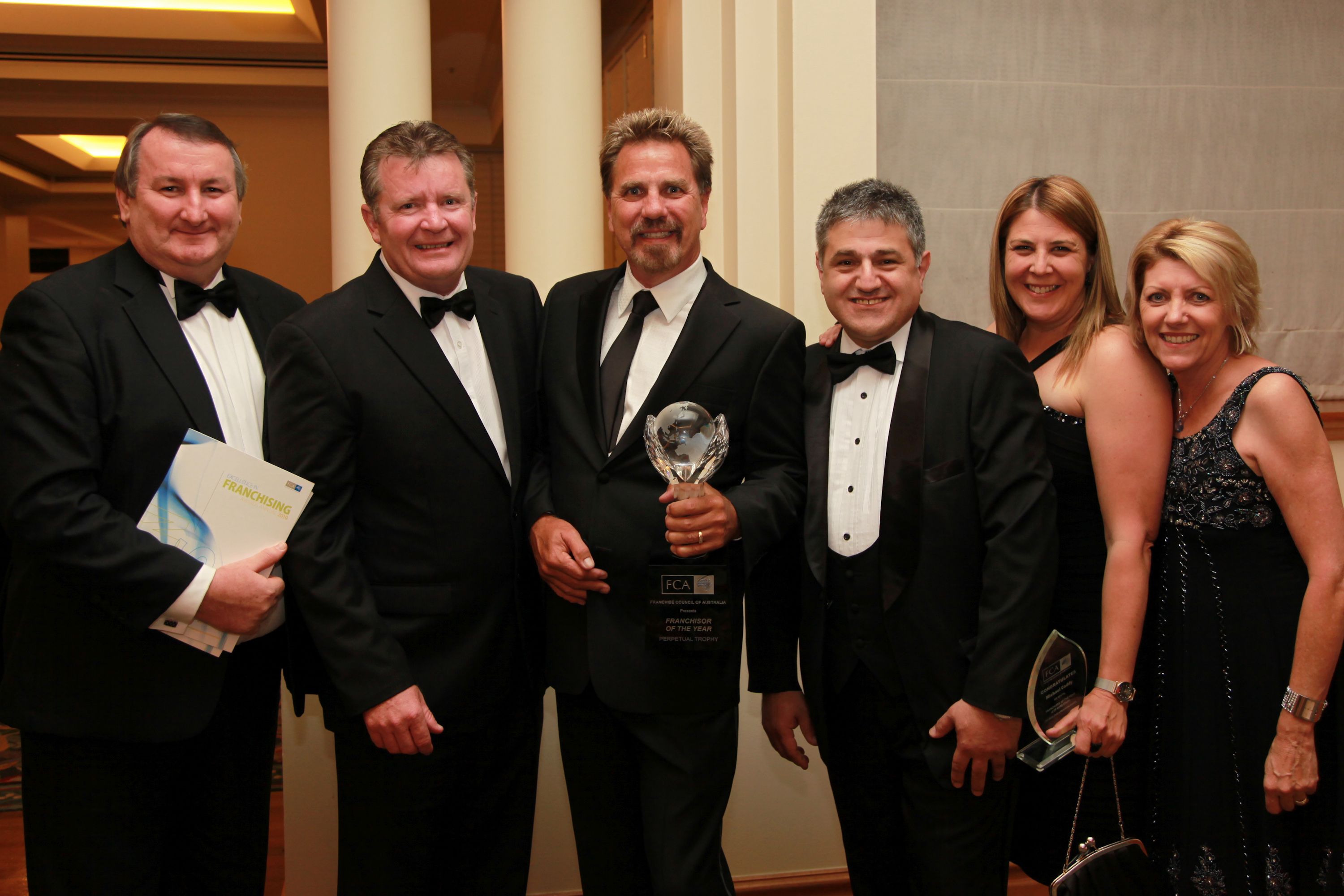
Last year, our client Mr Rental won the title of ‘Franchisor of the Year’ at the 2010 FCA (Franchise Council of Australia) Excellence in Franchising Awards. The PR potential from winning an award is huge and in light of the FCA awards that happened this week, we thought we’d share some advice on why you should be thinking about entering your company in business awards, and provide tips on how to prepare a good award submission.

Why would my company want to win a business award? What are the benefits?

We always encourage clients to enter business awards because of the opportunity they have to receive great recognition. It gives you fantastic PR and media opportunities both within your respective industry and through broader media channels, which allows you to reach a wider audience. Business awards highlight industry leaders, reveal innovative processes and products and ultimately attract new clients and customers to your business. An award win also boosts company morale and attracts top talent.

Where do I find awards opportunities?

The nature of your business will determine the categories and types of awards you should be entering. Your industry’s governing body is usually a good place to start for industry specific awards. Some major national business awards we encourage our clients to enter each year are BRW Fast Franchises, BRW ANZ Private Business Awards, Premier’s Sustainability Awards (VIC), Westpac New Zealand Franchise Awards and the FCA Excellence in Franchising Awards. Businesses can also find awards at a local level through council websites and the local chamber of commerce.

How to prepare an award-winning award submission

1. Read and understand award criteria. Criteria are a guideline to help you structure your award submission and a standard by which judges compare different entries. It is therefore crucial to understand them. Different sections are usually weighted differently and it is important to understand the areas requiring greater attention. Information seminars are often held to explain the marking criteria and offer tips and advice on completing the award. Understanding the criteria and submission requirements as soon as possible will ensure you have ample time to manage its completion.

2. Prepare brief responses to award questions. Once you are familiar with the criteria, go through the questions and requirements and jot down brief answers ensuring you address key points of the question reflecting your company’s key strengths and points of difference. After this, you should have a good understanding of the layout of your submission and what supporting information will be required.

3. Prepare supporting information. Anything you mention in your submission about company performance should be supported with evidence where possible. Things like sales performance, customer growth, brand awareness etc should all be supported with graphs and figures. This section usually calls upon specialties of other team members (ie operations, marketing) so it is important the award writer gives them enough time to gather such information.

4. Begin writing draft submission. Now that you have good outline of what you will write and supporting information on its way it’s time to start fleshing out the first draft of your award submission. Address each point of the question in limited detail without waffling on or exceeding word limit. Always remember the weight each question or section bears in relation to the overall criteria. Leave all references to supporting information as “Appendix blank” as this is something likely to change before the final version. Make sure the key information is included in the answer and the award reader doesn’t have to refer to an appendix for this.

5. Editing. Make sure the wording used in your submission is consistent, flows nicely and is easy for the reader to understand. Check for word economy and where sentences can be shortened. Ensure word limit isn’t exceeded for each section responses address questions properly. You can now reference any responses requiring supporting information ensuring all graphs, statistics etc are labelled and clear. Again, ensure your company’s strengths and points of difference are still highlighted as sometimes they can be lost in editing. Ensure anyone who has contributed information to the submission is satisfied it has been used accurately. Hand the submission over to a colleague to proof read before sending it to your General Manager or CEO to ensure it is aligned with the company’s overall mission and objectives.

6. Design, formatting and submission. When your submission is ready to be designed to your company’s branding standards, ensure it reflects the award’s formatting requirements. Make sure all graphs and appendices are displayed correctly as sometimes this changes when reformatted. Ensure all required documents like criteria sheet or front page are included. Give the award one final proof before printing, binding and submitting via the correct methods.

Key features of a great submission

1. Eye-catching and easy to read

2. Clear profile of your company and its core offering

3. Clear responses meeting key requirements of questions

4. Clear and appealing graphs and illustrations

5. Great supporting evidence to explain responses

The more time you put into an award submission, the better it will be. Leaving an award until the last minute will mean you’re not giving it its full potential to reflect your organisation. Using each team member to provide information on their function allows the true strengths of your business to be known.

Keep an eye out for upcoming award opportunities as it might just be your time to shine.

Share this post: Add to FaceBookAdd to StumbleUponAdd to Twitter